



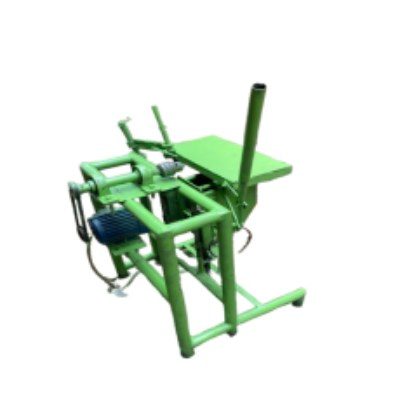

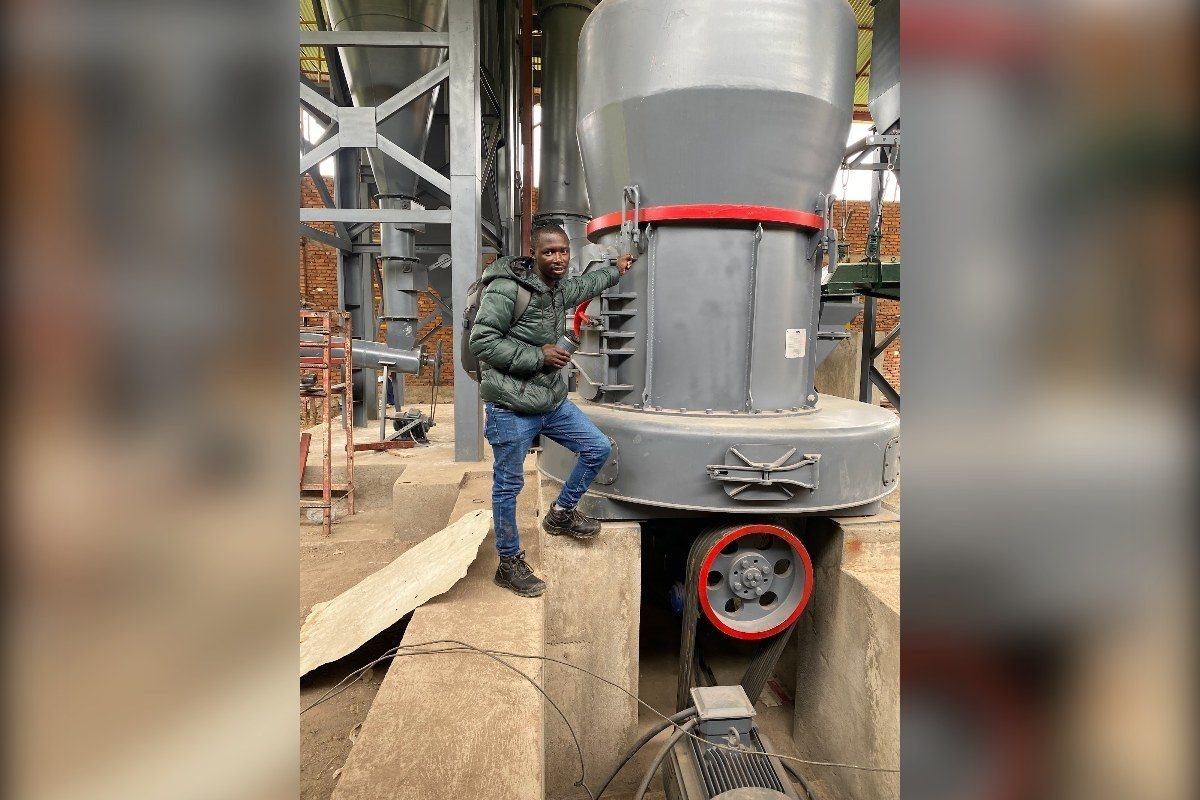
Agricultural Lime: How Hammer Mills Turn Limestone into Soil Improver
Many soils in Rwanda's highlands are acidic. Acidity locks up nutrients and harms crops such as beans, maize and potatoes, even when fertilizer is applied. Agricultural lime (crushed limestone) is one of the most effective ways to correct soil acidity, and it can be produced locally.
1. Why fineness matters
Lime works by reacting with the soil. Finer particles have more surface area and react faster. Coarse lumps can take years to act. A good lime product is mostly fine powder, which is why the grinding process matters.
2. The processing line
- Primary crushing: large quarry stones are reduced to small lumps (jaw crusher or manual breaking).
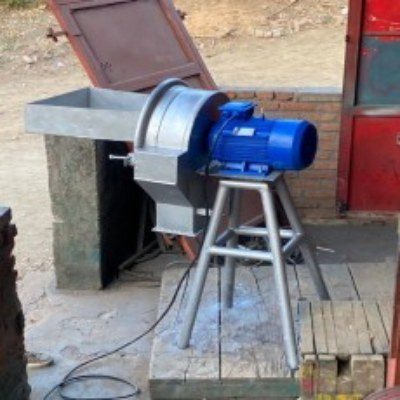
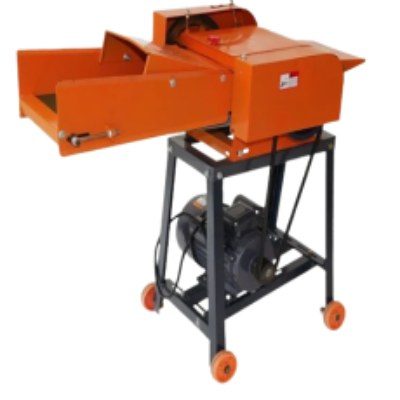
- Hammer milling: high-speed hammers break the lumps against a screen until the powder passes through.
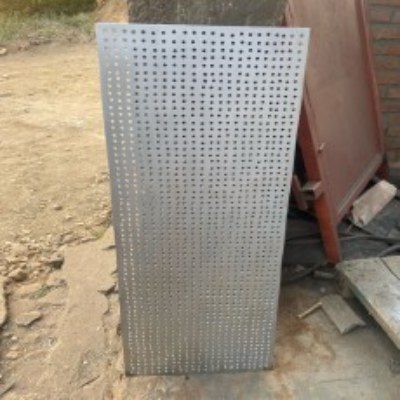
- Screen (mesh) selection: the screen hole size sets the final fineness. Finer mesh gives better lime but lower throughput.
- Bagging: dry powder is bagged for sale to farmers and cooperatives.
3. Engineering points for limestone hammer mills
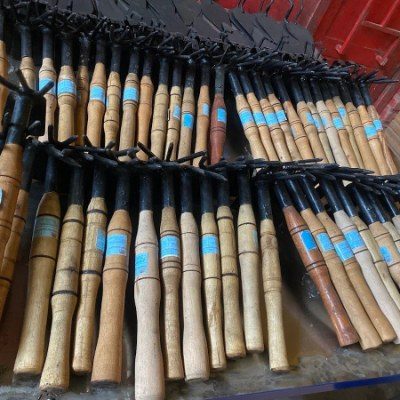
- Limestone is abrasive, so hardened hammers and wear plates are essential. Hammers should be reversible to double their life.
- Screens wear and must be replaced regularly. Keep spare crusher mesh in stock.
- Dust control protects workers and the motor. Use enclosed chambers, cyclones or bag filters, and dust masks.
- Feed must be dry. Wet limestone clogs the screen.
A-Z limestone solutions
A-Z Manufacturing builds limestone hammer mills and supplies replacement crusher mesh and hammers. We help cooperatives and entrepreneurs set up small lime production units that supply local farmers.

 Live Chat